
Preparing for and Navigating Truck Insurance Policy Audits

Truck insurance audits can catch fleet operators off guard, leading to unexpected premium increases and compliance issues. Most trucking companies face these reviews annually or after significant claims.
We at Select Risk Insurance Group see businesses struggle with audit preparation regularly. Proper documentation and proactive planning make the difference between smooth audits and costly surprises.
What Triggers an Insurance Audit
Premium Audit Requirements
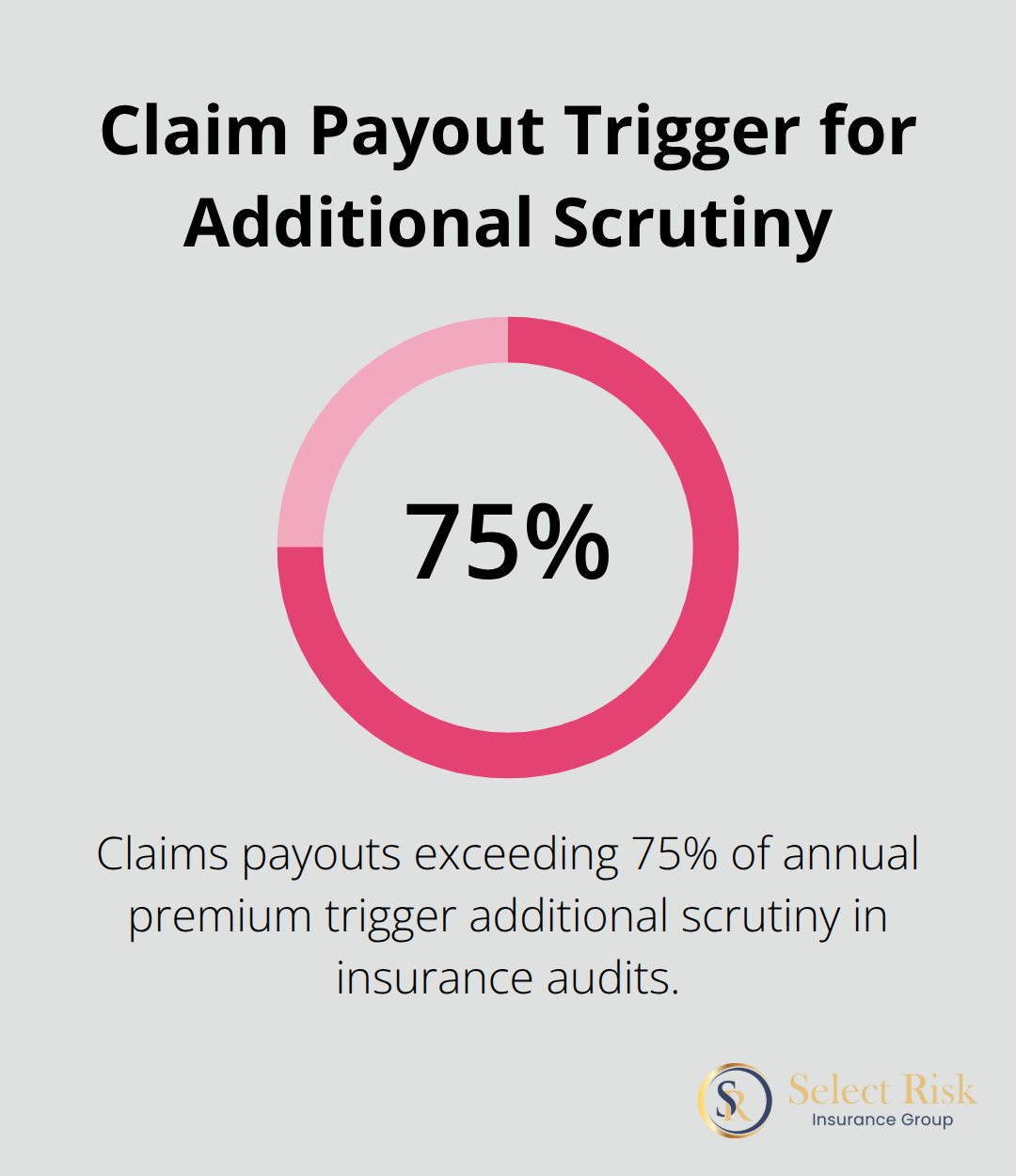
Insurance companies conduct premium audits based on specific triggers that extend beyond routine schedules. Carriers with high violation rates face significantly increased audit frequency. Companies that experience claim payouts exceeding 75% of their annual premium automatically trigger additional scrutiny. Fleet expansions of 25% or more within a policy period prompt immediate reviews, as insurers must reassess risk exposure based on actual operations versus initial estimates.
Policy renewals with substantial changes in cargo types, operating territories, or driver count generate audit requests. Discrepancies between reported and actual payroll figures account for a significant portion of premium adjustments during audits. New entrant carriers face mandatory safety audits within six months of obtaining DOT numbers, while established operators typically undergo annual premium audits unless claims activity or safety scores deteriorate.
Safety Compliance Reviews
Safety audits focus on different metrics than premium calculations. Carriers that score below satisfactory ratings receive conditional marks that require immediate corrective action. Driver qualification files, hours-of-service violations, and maintenance records receive intensive examination during these reviews. Companies with accident rates that exceed industry averages face more frequent safety audits, sometimes quarterly instead of annually.
Claims-Based Audit Triggers
Vehicle inspection failures, drug and alcohol testing violations, and outdated medical certificates trigger immediate audit schedules regardless of normal audit cycles. Insurance carriers also initiate audits after significant claims events, particularly those involving fatalities or major property damage. Multiple claims within a six-month period create red flags that prompt comprehensive reviews of safety practices and operational procedures. Understanding these triggers helps fleet operators anticipate when audits might occur and prepare their documentation accordingly.
Which Documents Matter Most for Your Audit
Successful audit preparation requires you to organize five critical document categories that auditors examine first. Driver qualification files must contain current medical certificates, motor vehicle records from the past three years, employment applications with previous employer verification, and annual violation reviews. A driver qualification file checklist may be helpful to ensure that all required documents and inquiries are obtained, and incomplete documentation triggers automatic compliance violations.
Vehicle maintenance records demand equal attention. You need preventive maintenance schedules, repair invoices, annual inspections, and daily vehicle inspection reports for the past 12 months. Companies that maintain digital maintenance logs experience 40% fewer audit complications compared to paper-based systems.
Driver Training and Safety Records
Training documentation separates compliant carriers from those that face premium increases. Safety meeting records, defensive driving course certificates, and hazardous materials training documentation require systematic organization. Drug and alcohol testing records from the current calendar year plus previous year results must remain accessible within 24 hours of auditor requests.
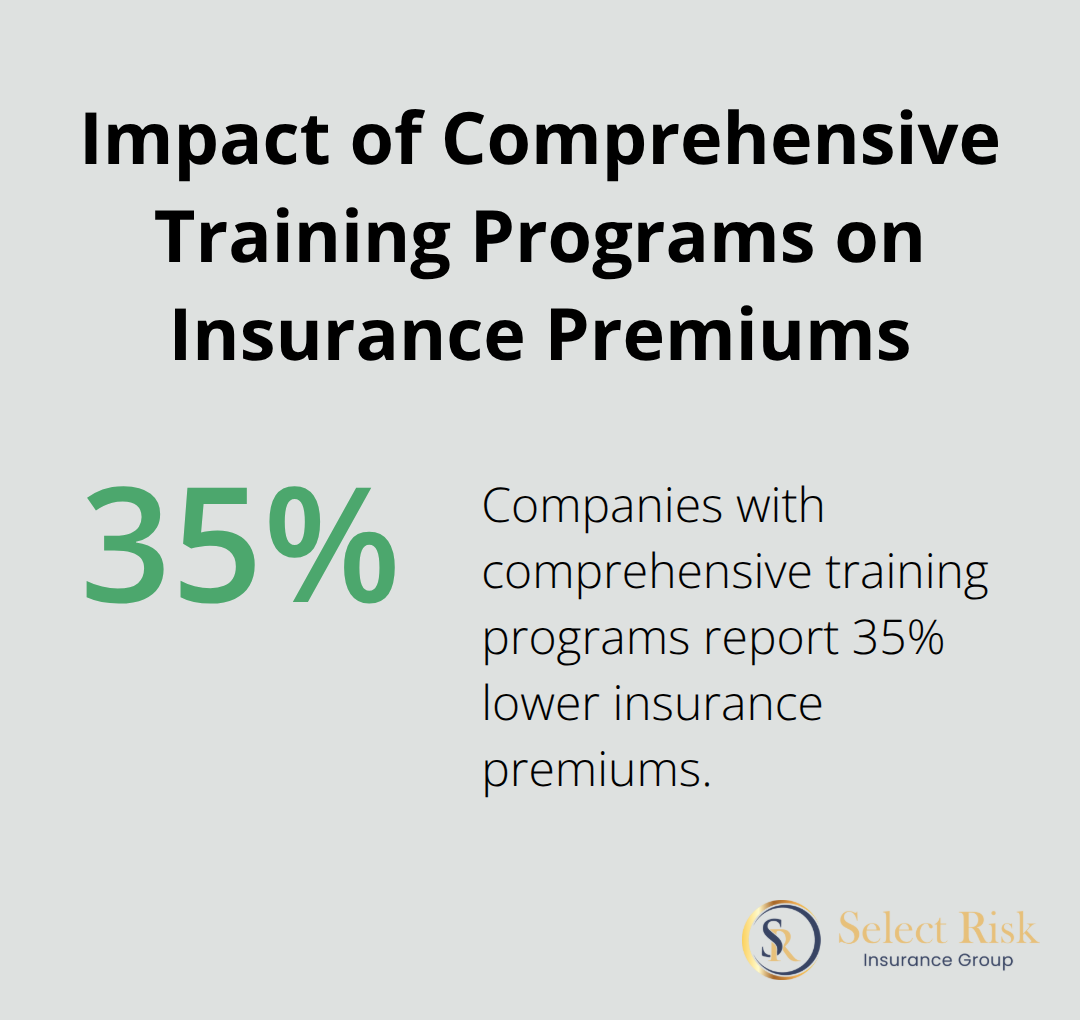
Companies with comprehensive training programs report 35% lower insurance premiums according to Insurance Information Institute data. Hours of service logs for the past six months, driver disciplinary actions, and accident reports form the foundation of safety compliance documentation. You must keep these records current and easily accessible.
Financial and Operational Documentation
Payroll records, certificates of insurance for subcontractors, and cargo manifests directly impact premium calculations. Accurate mileage logs prevent disputes over territorial coverage, while detailed cargo documentation supports coverage limits. Fleet operators with organized financial records complete audits 60% faster than those who scramble for documentation.
Current DOT registration, operating authority certificates, and state permits round out essential compliance documentation that auditors verify immediately upon arrival. These documents establish your legal authority to operate and transport specific cargo types.
Record Organization Systems
Digital record systems outperform paper files in audit situations. Cloud-based storage allows instant access to documents from multiple locations (particularly important for multi-terminal operations). Standardized file naming conventions prevent confusion during high-pressure audit situations.
You should establish backup systems for all electronic records. Power outages or system failures during audits create unnecessary delays and frustration. Physical copies of the most recent 30 days of driver logs and inspection reports serve as reliable backups when technology fails.
The next phase involves understanding how auditors conduct their reviews and what responses they expect from your team.
How Do You Handle Audit Interactions Successfully
Professional audit management starts the moment auditors arrive at your facility. Designate one primary contact person who understands your operations and documentation systems completely. This person should accompany auditors throughout their review process and respond to requests immediately. Companies that assign multiple staff members to interact with auditors create confusion and extend audit duration significantly. Your designated contact should have authority to access all required documents and make operational decisions during the audit process.
Prevent Costly Documentation Errors
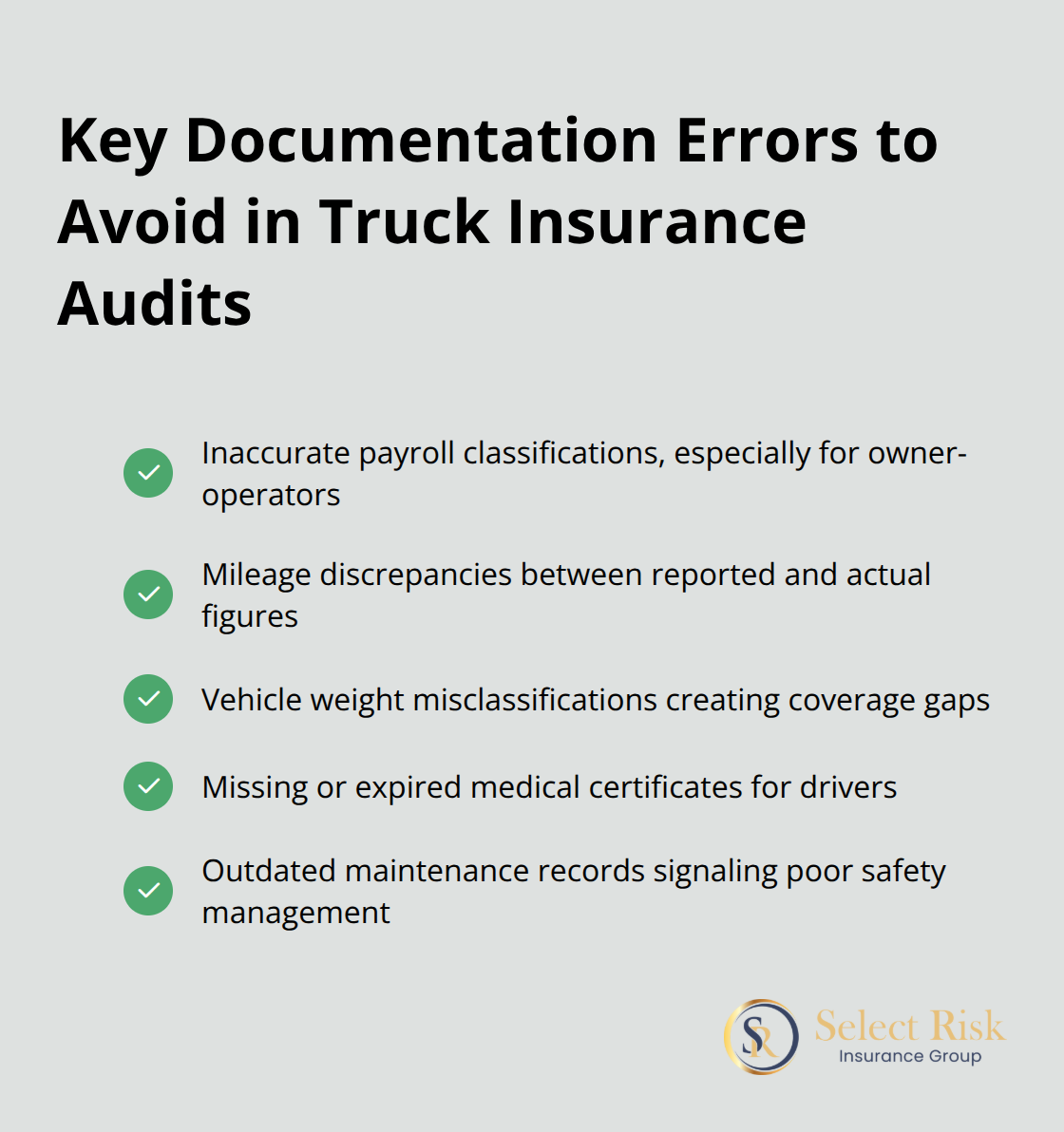
Documentation mistakes account for a significant portion of premium increases following truck insurance audits. Inaccurate payroll classifications represent the most expensive error, with misclassified drivers costing companies thousands in additional premiums. Owner-operators listed as employees instead of independent contractors trigger automatic premium adjustments.
Mileage discrepancies between reported and actual figures result in territorial coverage violations that increase rates substantially. Vehicle weight misclassifications create coverage gaps that auditors identify immediately. Companies must verify that Gross Vehicle Weight Ratings match actual vehicle specifications before audits begin.
Missing or expired medical certificates for drivers generate immediate compliance violations regardless of records. Outdated maintenance records signal poor safety management to auditors and insurance carriers.
Maximize Insurance Agent Support
Your insurance agent should participate in pre-audit preparation meetings and remain available during the audit process. Agents familiar with your operations can clarify coverage details and explain policy terms to auditors when disputes arise. Companies that involve their agents throughout audit processes report fewer premium adjustments compared to those who handle audits independently.
Agents can negotiate payment plans for premium increases and identify coverage improvements that offset audit-related costs. Schedule follow-up meetings with your agent within 48 hours of audit completion to address any findings and implement corrective measures.
Maintain Professional Communication Standards
Auditors expect prompt responses to document requests and clear explanations of operational procedures. Answer questions directly without volunteering unnecessary information that might complicate the review process. Keep conversations focused on factual data rather than opinions about insurance requirements or regulatory standards.
Document all interactions with auditors including verbal agreements and clarifications to prevent misunderstandings later. This practice protects your company if disputes arise about audit findings or premium adjustments.
Final Thoughts
Truck insurance audits become manageable when companies implement systematic preparation and maintain organized documentation throughout the year. Companies that establish dedicated audit preparation protocols experience fewer premium increases and complete reviews faster than those who scramble at the last minute. Your success depends on three fundamental practices: current driver qualification files, systematic vehicle maintenance records, and trained staff who handle auditor interactions professionally.
These steps protect your business from unexpected costs and demonstrate operational competence to insurance carriers. Strong relationships with insurance providers require consistent communication and proactive compliance management. Companies that work closely with their agents and maintain transparent operations receive better rates and more favorable audit outcomes over time.
We at Select Risk Insurance Group help Louisiana trucking companies navigate these challenges successfully (our independent agency approach allows us to match your specific needs with appropriate coverage from multiple carriers). Contact our team to develop audit preparation strategies that protect your business. These strategies strengthen your insurance relationships for long-term success.