
How Telematics Can Lower Your Truck Insurance Premiums
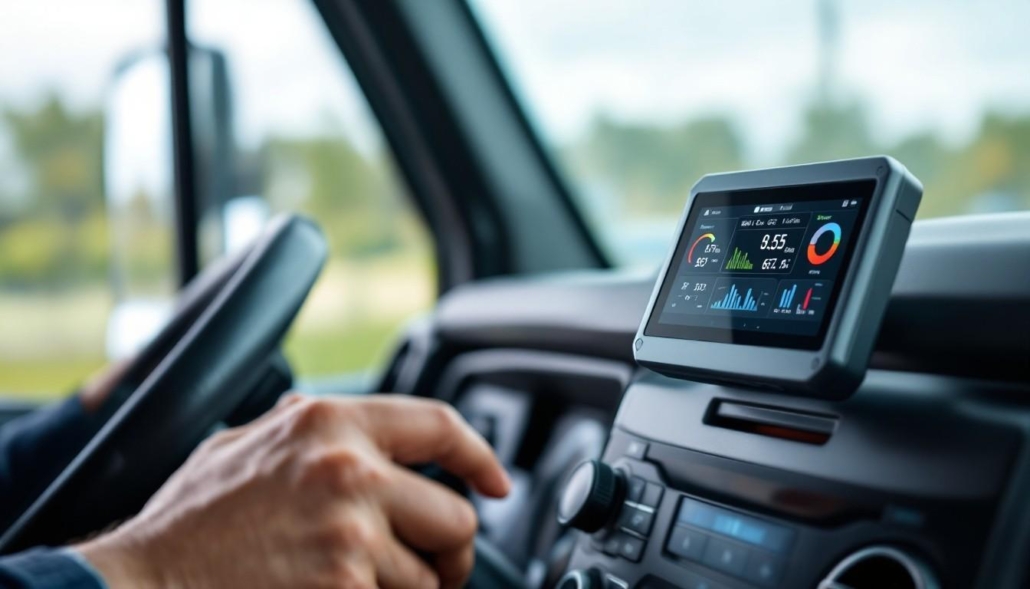
Truck telematics technology transforms how fleet owners manage risk and reduce insurance costs. Real-time data on driver behavior, vehicle performance, and route efficiency gives insurers the information they need to offer lower premiums.
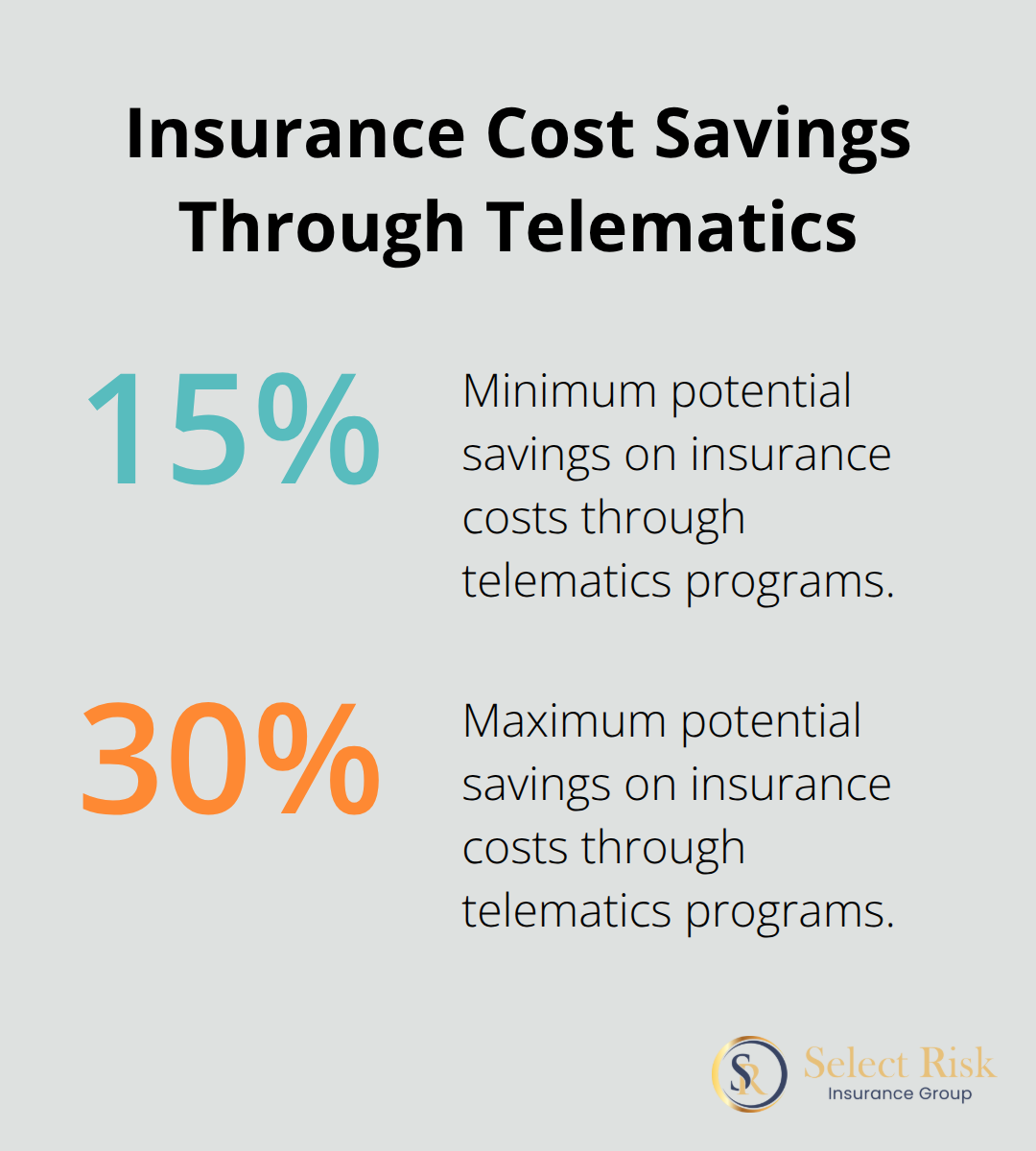
We at Select Risk Insurance Group see fleet owners saving 15-30% on insurance costs through telematics programs. The technology pays for itself through reduced claims and better safety records.
How Telematics Technology Works in Commercial Trucking
Modern telematics systems collect data through three interconnected components that work together to provide comprehensive fleet insights. GPS satellites track vehicle location with accuracy within three meters, while onboard sensors monitor engine diagnostics, fuel consumption, and maintenance needs. Driver behavior sensors detect acceleration patterns, braking force, and steering inputs to create detailed safety profiles.
GPS Tracking and Route Monitoring Systems
GPS tracking systems update vehicle positions every 10-30 seconds and allow fleet managers to monitor exact routes and identify inefficient patterns. Geofencing technology alerts managers when drivers deviate from approved routes or enter restricted areas. Route optimization algorithms analyze traffic patterns and suggest alternative paths that reduce fuel costs by 8-12% according to Federal Motor Carrier Safety Administration data. These systems also track idle time (typical over-the-road fleets spend up to 40% of their time idle unnecessarily).
Driver Behavior Monitoring and Scoring
Telematics devices score driver behavior on metrics that include harsh braking events, rapid acceleration, and speeding incidents. Most systems use a 100-point scoring scale where drivers who maintain scores above 85 qualify for insurance discounts. The technology monitors following distance, cornering speed, and adherence to posted speed limits. Fleet managers receive immediate alerts for dangerous events and can provide real-time coaching that reduces accident rates by 20-35% within the first year of implementation.
Vehicle Performance and Maintenance Data Collection
Engine diagnostic systems track over 200 data points that include oil pressure, coolant temperature, and transmission performance. Predictive maintenance alerts notify fleet managers when components approach failure points and prevent costly roadside breakdowns (which average $15,000 per incident). Tire pressure systems reduce blowout risks while fuel efficiency tracking identifies vehicles that consume excessive fuel due to mechanical issues or poor habits.
These comprehensive data collection capabilities create the foundation for usage-based insurance models that reward safe operations with lower premiums.
Ways Telematics Reduces Insurance Costs
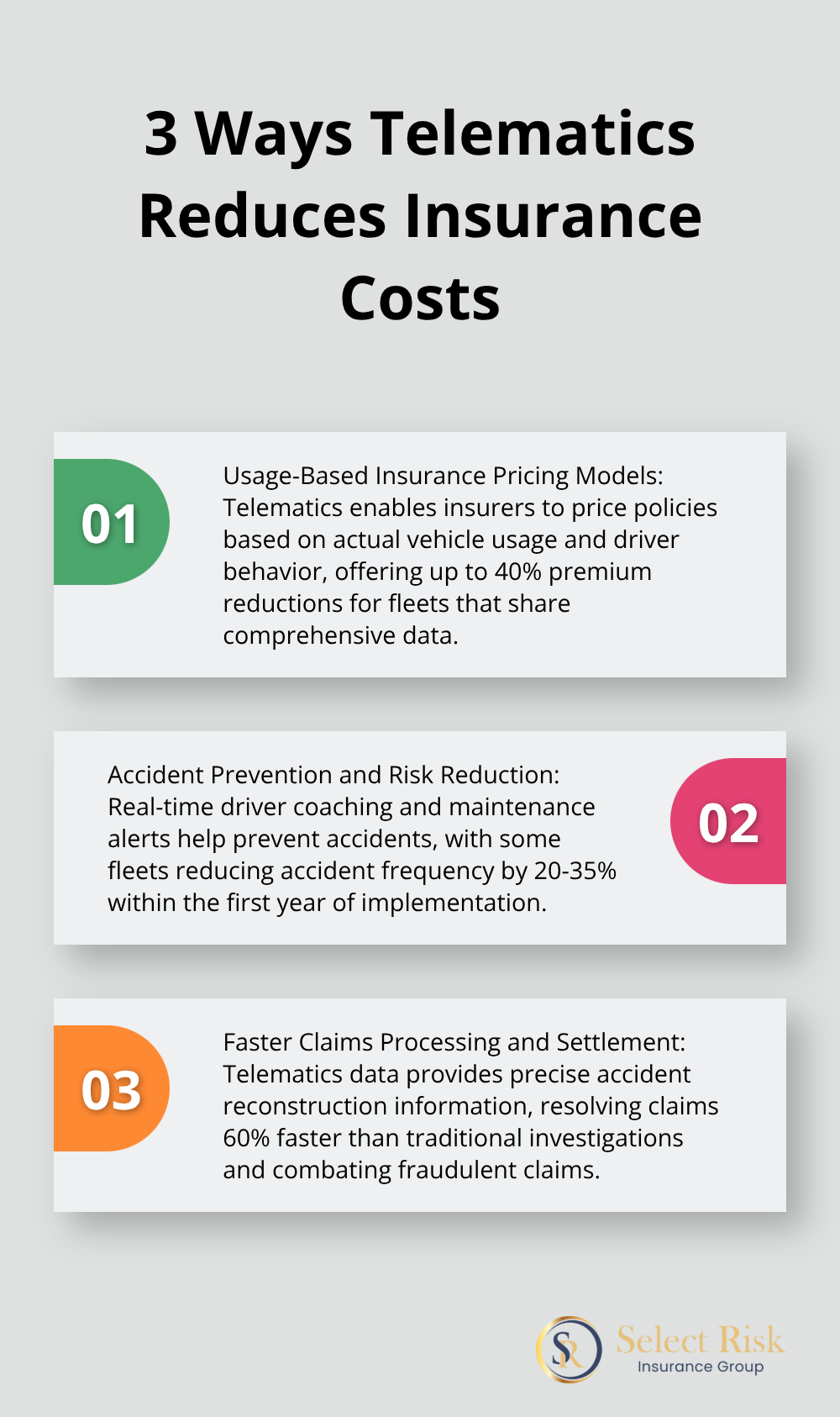
Telematics data transforms traditional insurance pricing by replacing guesswork with hard facts about driver performance and vehicle usage. Usage-based insurance models calculate premiums based on actual mileage, driving hours, and route patterns rather than industry averages. Fleets that operate fewer miles pay proportionally less, while companies with excellent safety records receive substantial discounts.
Progressive Commercial and other major carriers now offer up to 40% premium reductions for fleets that share comprehensive telematics data. The technology eliminates cross-subsidization where safe fleets pay higher rates to cover losses from riskier operations.
Usage-Based Insurance Pricing Models
Insurance companies price policies based on actual vehicle usage rather than estimated annual mileage. Seasonal businesses benefit significantly from this approach since they pay lower premiums during inactive periods. Metromile pioneered pay-per-mile insurance that charges based on actual miles driven, while traditional carriers like State Farm offer Drive Safe & Save programs that adjust rates according to telemetry data.
Fleet managers can demonstrate their superior safety practices through concrete data points. Drivers who maintain scores above 85 on 100-point behavior scales qualify for immediate discounts (most telematics systems use this standardized scoring method).
Accident Prevention and Risk Reduction
Driver coaching systems intervene immediately when risky behaviors occur and prevent accidents before they happen. Fleets that use real-time alerts for speeding, harsh braking, and fatigue violations reduce accident frequency according to Federal Motor Carrier Safety Administration studies. The technology identifies high-risk drivers who generate 80% of fleet accidents and provides targeted training that improves their safety scores.
Maintenance alerts prevent mechanical failures that cause 13% of commercial vehicle crashes. Route optimization reduces exposure to dangerous road conditions and decreases accident probability. These prevention measures directly translate to fewer claims and lower insurance costs.
Faster Claims Processing and Settlement
Telematics data provides insurers with precise accident reconstruction information that eliminates disputes over fault determination. GPS timestamps, speed data, and braking patterns create an objective record that resolves claims 60% faster than traditional investigations. This rapid resolution prevents costly litigation that can add $50,000-$100,000 to serious accident claims.
The technology also combats fraudulent claims by providing irrefutable evidence of driver behavior and vehicle location during incidents. Insurance companies reward fleets that provide this transparency with lower deductibles and preferred coverage terms.
Fleet owners who implement comprehensive telematics systems position themselves to take advantage of these cost-saving opportunities while building stronger relationships with their insurance carriers.
Implementation Strategies for Fleet Owners
Fleet owners must select telematics providers based on specific insurance integration capabilities rather than general fleet management features. The most effective systems connect directly with insurance carriers through APIs that automatically transmit safety scores and driver behavior data. Providers like Samsara and Verizon Connect offer dedicated insurance modules that generate the standardized reports carriers need for premium calculations.
Choosing the Right Telematics Provider
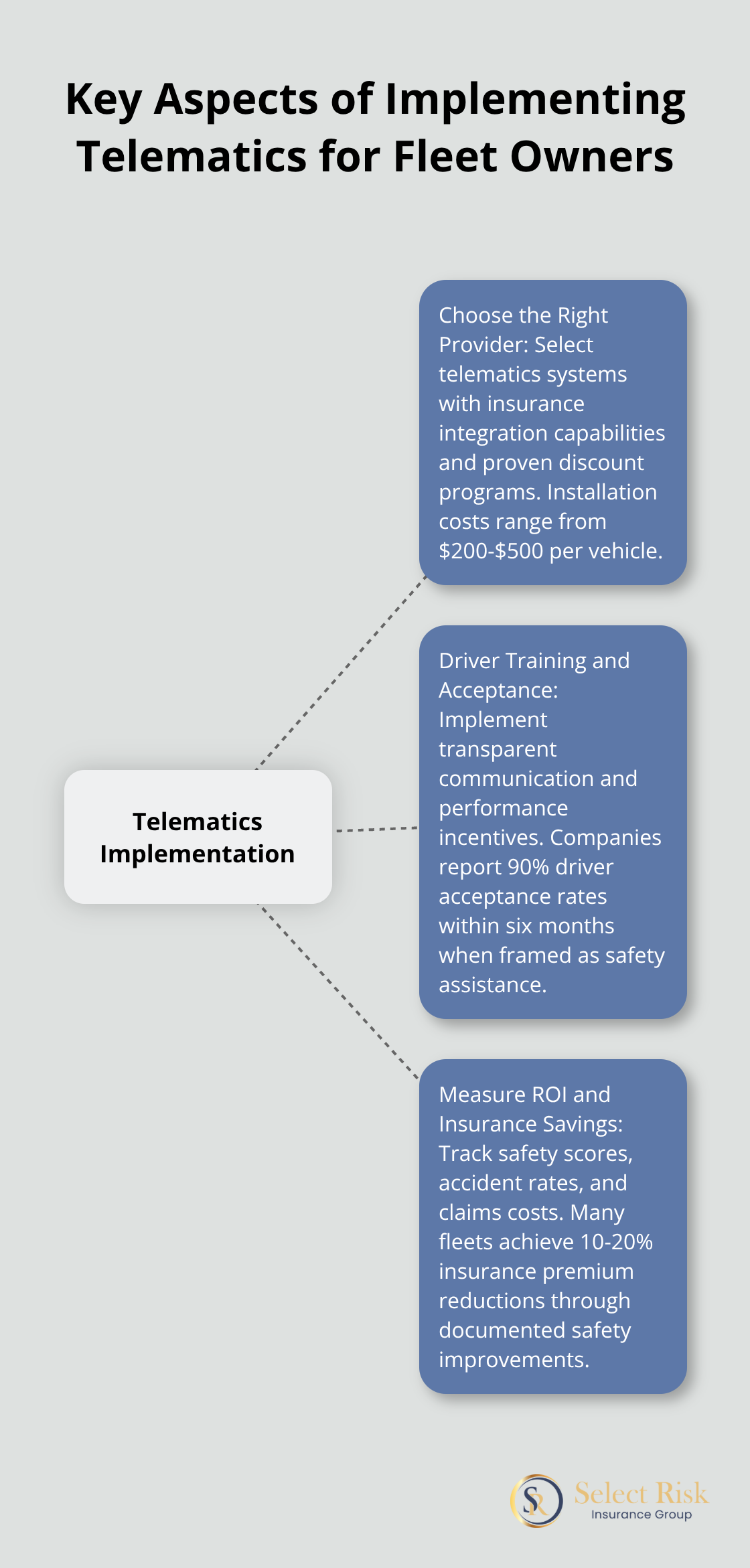
Fleet managers should demand proof of existing insurance partnerships and verified discount programs before they sign contracts. Installation costs range from $200-$500 per vehicle, but the technology generates positive ROI within 8-12 months through premium reductions and operational savings. The provider must demonstrate direct data feeds to major commercial insurers and show examples of actual premium reductions their clients achieved.
Systems that lack insurance carrier integration force fleet managers to manually compile reports and submit data requests. This manual process delays discount approvals and reduces the likelihood that insurers will offer meaningful premium reductions.
Driver Training and Acceptance Programs
Driver resistance kills telematics programs faster than technical failures. Successful implementations require transparent communication about privacy policies and clear explanations of how the technology benefits drivers through coaching rather than punishment. Companies that frame telematics as safety assistance rather than surveillance report 90% driver acceptance rates within six months.
Fleet managers must establish performance incentives where drivers with scores above 85 receive quarterly bonuses of $500-$1,000. Regular feedback sessions help drivers understand their metrics and provide coaching for improvement. Training programs should emphasize how behavior scores translate to insurance discounts and potential bonus payments for top performers.
Measuring ROI and Insurance Savings
The key metric for measuring implementation success is the percentage reduction in insurance premiums within the first policy renewal period after full deployment. Fleet owners should track monthly safety scores, accident frequency rates, and claims costs to demonstrate program effectiveness to insurance carriers. Many fleets achieve 10-20% insurance premium reductions through documented safety improvements and risk management programs.
Documentation of these improvements strengthens renewal negotiations and positions fleets for additional discounts as their safety records improve over time.
Final Thoughts
Truck telematics transforms insurance from a fixed expense into a performance-based investment that rewards safe fleet operations. Fleet owners who adopt comprehensive telematics systems achieve 15-30% premium reductions within their first policy renewal cycle. The technology provides insurers with concrete data that replaces traditional risk assessment methods with real-time behavior analysis.
Commercial carriers now structure their most competitive rates around telematics integration, which makes this technology essential for cost-conscious fleet operators. Major insurers require comprehensive data feeds to offer their lowest premiums, and fleets without telematics face higher rates in an increasingly competitive market. The shift toward usage-based pricing models accelerates as carriers recognize the superior risk assessment capabilities that telematics provides.
Fleet owners should document current safety metrics and identify telematics providers with established insurance carrier partnerships to begin their cost reduction journey. The implementation process requires 3-6 months but produces positive ROI through reduced premiums and improved operational efficiency (most fleets recover their investment within the first year). We at Select Risk Insurance Group help Louisiana fleet owners implement telematics solutions and secure competitive rates through our network of commercial carriers, and our independent agency approach matches your telematics data with carriers that offer optimal pricing for your specific risk profile through our specialized services.