Crane & Rigging Contractor Insurance
Specialized coverage for crane operators, heavy lifting equipment & rigging operations.

Crane and rigging contractors move heavy loads in environments where a single mistake can cause significant property damage, injuries, project delays, or equipment losses. Mobile cranes, tower cranes, boom trucks, hoists, and specialized rigging operations can each create distinct insurance exposures.
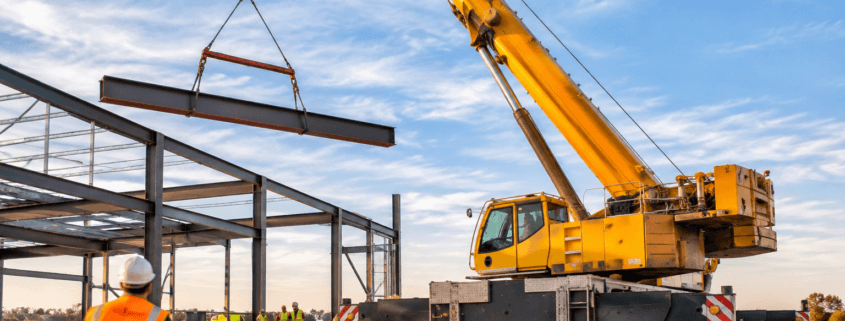
Load calculations, ground conditions, lift plans, operator qualifications, proximity to utilities, and responsibility for property being lifted can all affect risk. Contractors should ensure that the insurer understands the actual lifting operations, equipment, and contractual obligations.
General liability may help with certain covered third-party injury or property damage claims, but exclusions or limitations involving lifting operations, property in the contractor’s care, and damage to the work itself should be examined.
Contractors’ equipment or inland marine coverage may protect eligible cranes, hoists, attachments, rigging gear, and other equipment against covered physical losses. Values, rental arrangements, transit, and jobsite locations matter.
Standard liability coverage may not fully address damage to property in a contractor’s care, custody, or control. Specialized riggers liability coverage may be available for certain damage to property being lifted or moved.
Transporting cranes and rigging equipment can require commercial auto, physical damage, and specialized hauling considerations. Oversize loads and hired or leased equipment may introduce additional requirements.
Crane operations can involve serious employee injuries and high-severity third-party claims. Workers’ compensation and appropriate umbrella or excess liability limits may be important components of a coordinated program.
A crane contractor’s risk changes with the weight and value of the load, the radius of the lift, the type of crane, the jobsite surface, nearby power lines, and whether the work occurs above occupied structures. Insurers may ask about engineered lift plans, critical lifts, operator certifications, inspection records, maintenance, and subcontracted rigging. Work at refineries, ports, bridges, or high-rise projects may require different underwriting than routine equipment placement.
A dropped load can produce several different claims: damage to the crane, damage to the lifted item, injury to a bystander, and damage to an adjacent building. Those losses may not fall under the same policy. Contractors should examine the scope of equipment coverage, riggers liability, general liability, contractual liability, and exclusions for property being handled. The declared equipment schedule should include attachments and specialized rigging gear where required.
Lift contracts may transfer responsibility for ground preparation, engineering, traffic control, and the condition of the load. Insurance requirements can also call for additional insured status, primary and noncontributory wording, or specific excess limits. Before accepting a project, contractors should identify who directs the lift, who supplies rigging, who supervises the site, and which party is responsible if a lift must be stopped because conditions are unsafe.
If the company rents cranes with operators, rents equipment without operators, or provides only rigging labor, describe each arrangement separately. Responsibility for the load and equipment can change under those contracts. A policy suited to one operating model may not address every exposure created by another.
Crane operations may involve contracts with general contractors, manufacturers, utilities, or facility owners. Each may impose different requirements for certificates, additional insured endorsements, and deductibles. Confirm that the coverage territory and operations description match the jobsite and the equipment scheduled on the policy.
Risk management information can be important during underwriting. Written inspection programs, documented operator qualifications, maintenance logs, and procedures for rejecting unsafe lifts may help an insurer understand how the company operates. Contractors should also consider whether subcontracted crane operators, signalpersons, and riggers are included within the declared operations. When a lift involves unusual conditions, insurers may request additional details or impose project-specific terms.
Select Risk Insurance Group can help clients in Louisiana review available options, documentation, limits, and requirements. The right approach depends on the project, property, contract, operations, and applicable underwriting or surety standards. Coverage and bond obligations are governed by the actual policy or bond forms and relevant law.
Contact Select Risk Insurance Group at 337-504-3354 to discuss your needs.
It is specialized coverage that may address certain damage to another party’s property while that property is being lifted, moved, or handled, subject to the policy.
Coverage depends on what was damaged, the cause, and the policy. Damage to the crane, the load, and surrounding property may involve different coverage forms.
Potentially. Contractors should review rented-equipment coverage, rental contracts, limits, deductibles, and responsibility for the equipment.
Not necessarily, but unusual or high-risk lifts, specialized equipment, and project-specific requirements should be disclosed and reviewed.